November 7, 2026
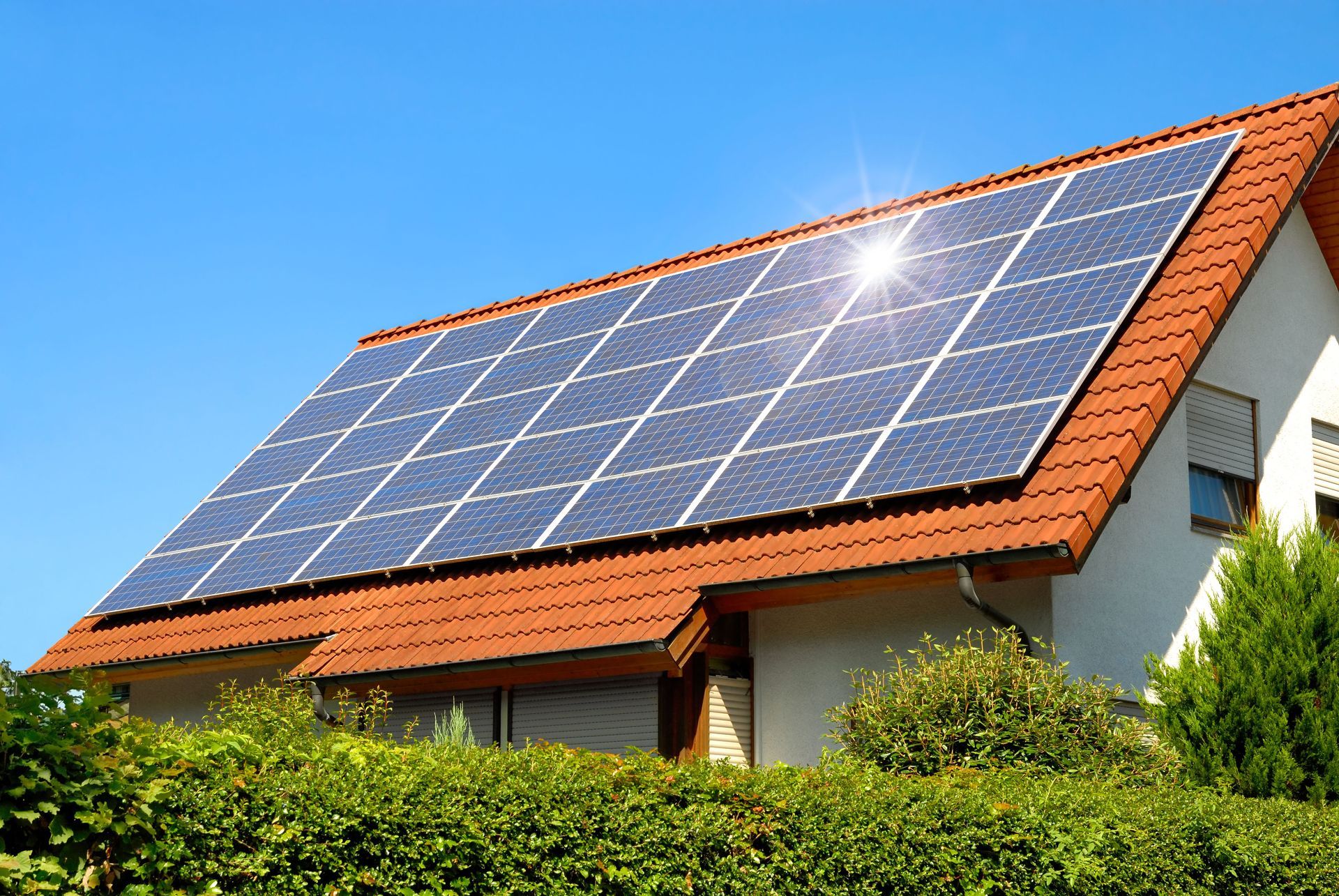
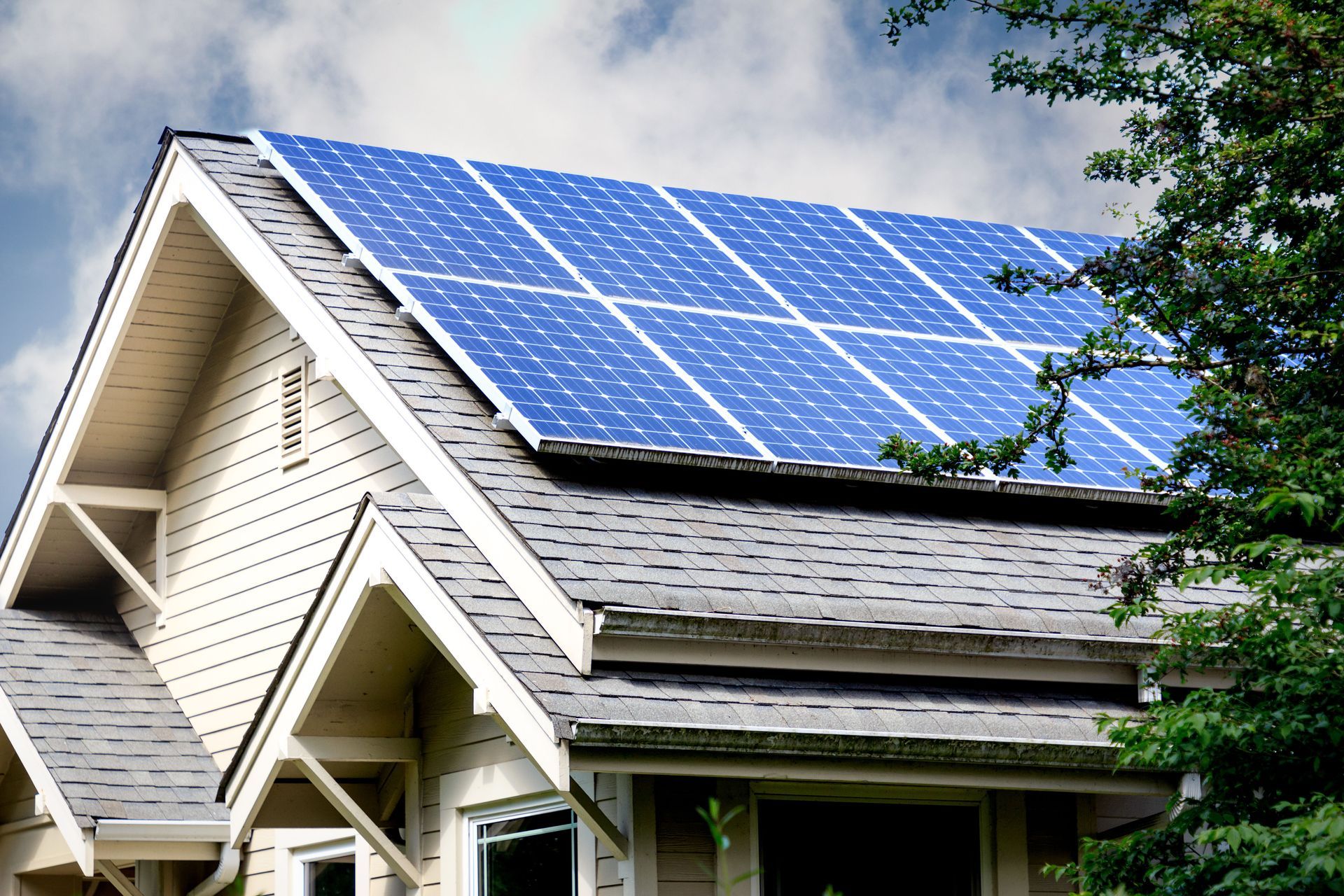
Homeowners considering solar energy may also need to replace an aging roof, making it worthwhile to coordinate both projects. Combining roofing and solar installation can simplify scheduling, reduce duplicated labor, and help protect the home with compatible materials and warranty coverage. Rather than completing separate projects years apart, homeowners can plan the roof and solar panels together for better long-term performance. Understanding the benefits, costs, and warranty options can help you determine whether this approach makes sense for your property.
Evaluating Your Roof Before Installing Solar
Before installing a solar system, homeowners should assess the condition of their existing roof. Solar panels can remain in place for decades, so installing them on a roof nearing the end of its useful life may create avoidable expenses. If the roof requires replacement shortly after installation, the panels may need to be removed and reinstalled to accommodate the roofing work.
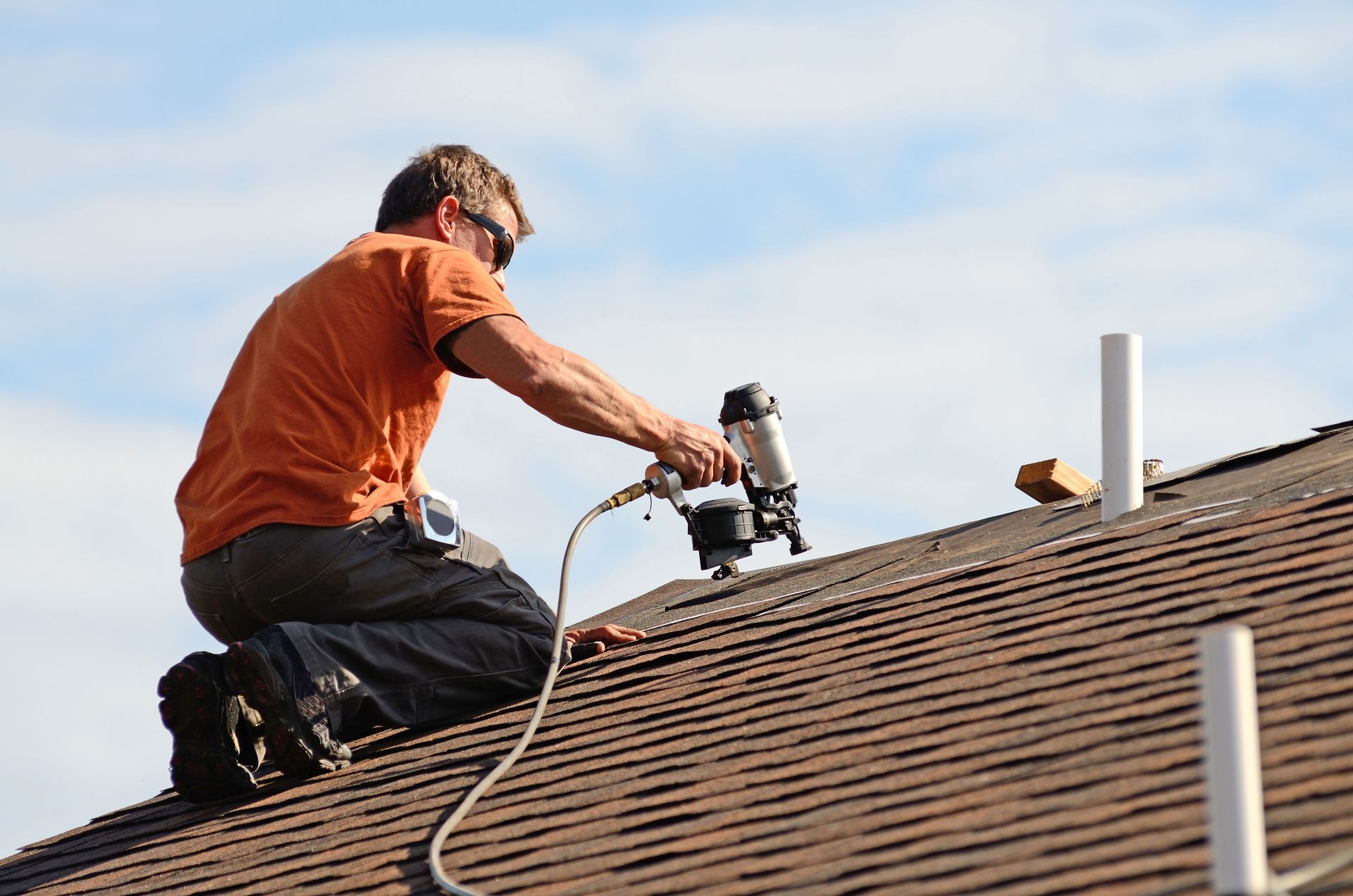
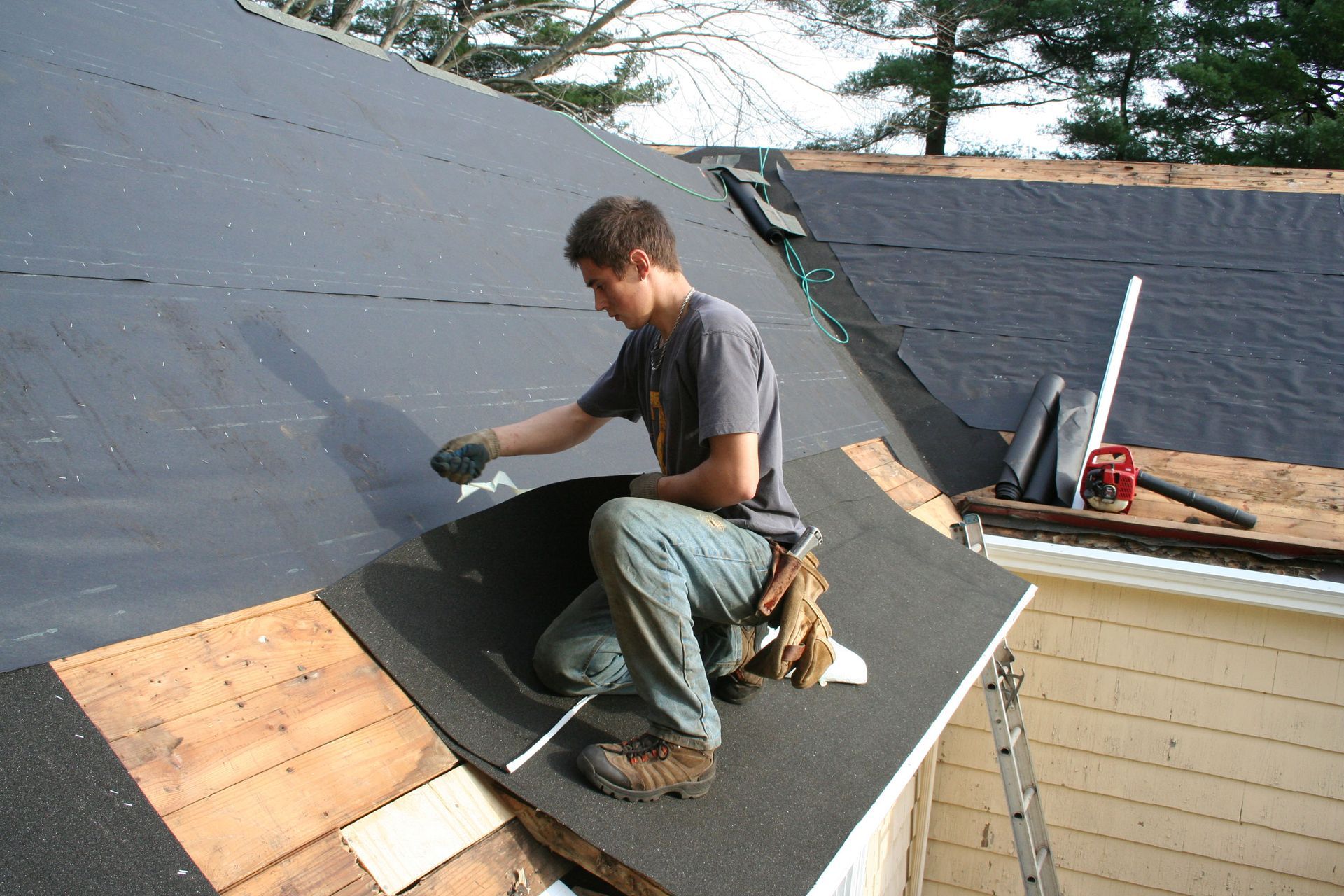
A professional roof inspection can help identify damaged shingles, deteriorating underlayment, ventilation concerns, and other issues that could affect the installation. Addressing these problems beforehand creates a more reliable foundation for the solar system.
Homeowners should also consider the roof's expected lifespan. If it has several years of dependable service remaining, installing solar panels may be reasonable without immediate replacement. However, if significant repairs or replacement are already necessary, combining the projects may be a more practical investment.
Coordinating Roofing and Solar Installation
Scheduling both projects together allows contractors to coordinate important steps from the beginning. Roofing work can be completed before the solar panels are installed, reducing the likelihood that recently installed equipment will need to be removed for future roof repairs.
This approach can also simplify communication. Instead of managing separate schedules, homeowners can coordinate project timelines, material selections, and installation requirements through a more unified plan. When the roofing and solar teams understand how their work affects one another, they can address potential conflicts before construction begins.
Coordinated installation offers several practical advantages:
- Fewer Scheduling Disruptions: Combining the projects can reduce the need for separate construction periods.
- Better Installation Planning: Roofing materials, mounting hardware, and solar panels can be selected with compatibility in mind.
- Reduced Repeat Labor: Homeowners may avoid paying for panel removal and reinstallation when roofing work becomes necessary later.
- Clearer Project Communication: Coordinated planning helps establish responsibilities, timelines, and expectations.
Although combining projects does not guarantee lower overall costs, it can eliminate certain duplicated expenses and make the installation process easier to manage.
Understanding the Value of Combined Warranties
Warranty coverage is one of the most important considerations when combining roofing and solar work. A roof warranty may cover specific material defects or workmanship issues, while solar panels and other equipment have separate manufacturer warranties. The installation contractor may also provide workmanship coverage for the completed project.
When these warranties work together, homeowners can better understand which protections apply to different components. However, combining the projects does not automatically mean that every part of the roof and solar system is covered by a single warranty.
Before signing an agreement, ask which warranties are included and what each one covers. Review the duration of coverage, exclusions, maintenance requirements, and procedures for making a claim. It is also important to understand whether installing solar panels affects an existing roof warranty.
Some roofing contractors offer specialized solar-related coverage. Raneri & Long Roofing and Solar advertises a 25-year leak-penetration solar warranty, along with roofing warranty options. Homeowners should confirm the specific terms, eligibility requirements, and coverage limitations that apply to their project.
A clear understanding of warranty responsibilities can help prevent confusion if a leak, equipment issue, or installation defect develops. Requesting written documentation makes it easier to determine who is responsible for diagnosing and correcting a problem.
Calculating the Potential Cost Savings
Combining roofing and solar installation may reduce costs by limiting repeated labor, equipment setup, and project coordination. For example, if a homeowner installs solar panels on an aging roof, the panels may need to be removed when the roof eventually requires replacement. Completing the roof work first can help avoid that additional expense.
Homeowners should compare the total cost of a combined project with the cost of completing each project separately. Estimates should account for roofing materials, labor, solar equipment, electrical work, permits, and any necessary structural repairs.
Financing options and incentives may also influence the overall budget. According to Consumer Affairs, the federal residential solar tax credit had allowed eligible homeowners to claim up to 30% of qualifying solar installation costs for systems installed during the 2022–2032 period under the rules then in effect. However, federal law changed in 2025, and the residential credit is no longer available for systems installed after December 31, 2025. Homeowners planning a project in 2026 should verify current federal, state, and local incentives rather than assuming the former credit still applies.
Careful budgeting should also include a reserve for unexpected expenses. Hidden roof damage, electrical upgrades, or additional structural work can increase the final cost. Reviewing detailed estimates and comparing the complete scope of work can help homeowners make informed decisions.
Selecting Materials for Long-Term Performance
Choosing compatible roofing materials and solar equipment is essential for a dependable installation. The roof must support the mounting system while maintaining its ability to protect the home from rain, wind, and other environmental conditions.
Material selection should account for the roof's design, slope, structural capacity, and local weather. Homeowners should also consider how the roofing material will perform over time and whether it is suitable for the planned solar mounting method.
Proper installation is equally important. Mounting points must be installed in accordance with applicable specifications, and any roof penetrations must be properly sealed. Incorrect installation can create opportunities for water intrusion and may compromise warranty coverage.
A coordinated project allows the roofing and solar requirements to be considered together rather than treated as unrelated tasks. This planning can help support durability, reduce avoidable complications, and protect the home's overall performance.
Preparing Your Home for a Combined Project
Before work begins, homeowners should establish clear expectations with the contractor. Discuss the project schedule, expected disruptions, material choices, and steps required to complete both installations. Confirm which permits and inspections are necessary, and ask how the work will be coordinated.
It is also helpful to review the home's energy needs before choosing a system. Electricity usage, available roof space, shading, and future household plans can influence the appropriate size of a solar system. A solar assessment can help determine whether the property is suitable and identify potential installation limitations.
Homeowners should request written estimates and warranty documents before approving the project. Important questions include:
- What roofing and solar work is included in the estimate?
- Which warranties apply to materials, workmanship, and roof penetrations?
- Who handles repairs if a roofing or solar installation issue develops?
- Are permits, inspections, and electrical work included in the price?
- What maintenance is recommended after installation?
Clear answers can help homeowners compare contractors and understand the long-term responsibilities associated with the investment.
Protecting Your Roofing and Solar Investment
Combining roofing and solar installation can be a practical way to improve a home's energy efficiency while addressing necessary roof work. Coordinating both projects may reduce repeated labor, simplify scheduling, and help ensure that the roof and solar equipment are installed with compatible materials and methods. Reviewing warranty terms carefully is essential because coverage varies by component, contractor, and installation requirements.
The best approach begins with a roof assessment, a realistic budget, and a detailed installation plan. By evaluating the roof's condition, comparing estimates, and confirming warranty protections, homeowners can make a decision that supports long-term performance and value.
To coordinate your roofing and solar project and explore available warranty options, contact Raneri & Long Roofing and Solar for a free estimate.