October 22, 2026
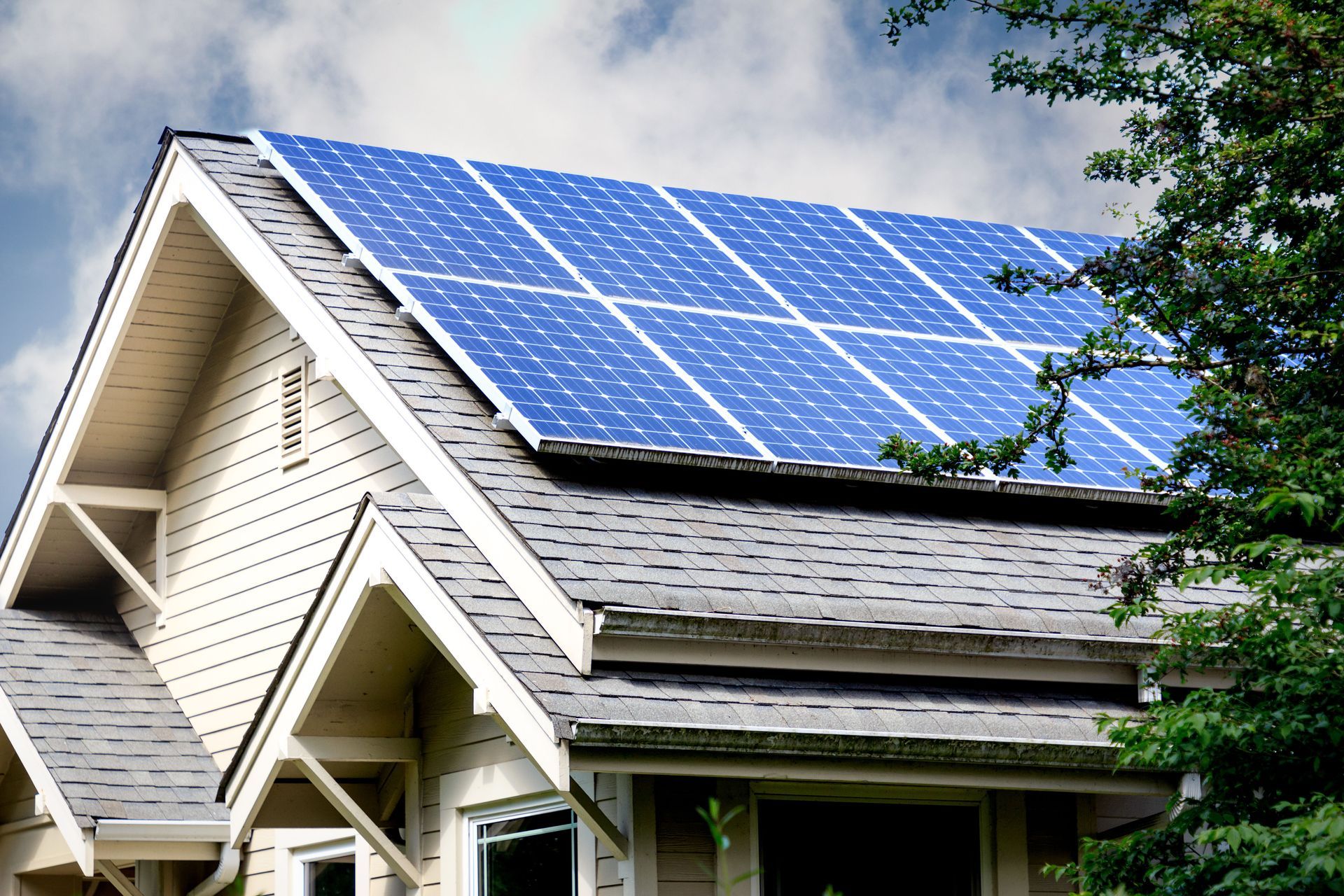
Transitioning a residential property toward sustainable, self-generated electricity is an exciting home improvement project for any homeowner. Before mounting new equipment on your roof, evaluating the overall condition of the underlying structure is an essential initial step. A residential roofing system serves as the primary defensive barrier against outdoor elements, protecting the interior building framework from moisture, winds, and extreme temperature fluctuations. Placing heavy equipment over an existing structure that already exhibits signs of wear can lead to complicated maintenance challenges down the road.
When homeowners decide to enhance their property infrastructure by installing solar panels, ensuring structural readiness becomes paramount. An existing roof must remain in top operational condition to support hardware securely for decades. If hidden vulnerabilities or active deterioration exist prior to installation, addressing those issues later becomes significantly more complex and labor-intensive. Taking time to inspect the outer covering, support beams, flashing details, and drainage pathways ensures that your building remains secure, energy-efficient, and weather-tight.
Understanding the specific visual and structural indicators that signal a need for professional maintenance helps prevent future disruptions and severe structural damage. By identifying roof vulnerabilities early, property owners can complete necessary repairs before any additional apparatus is attached.
1. Damaged or Missing Shingles
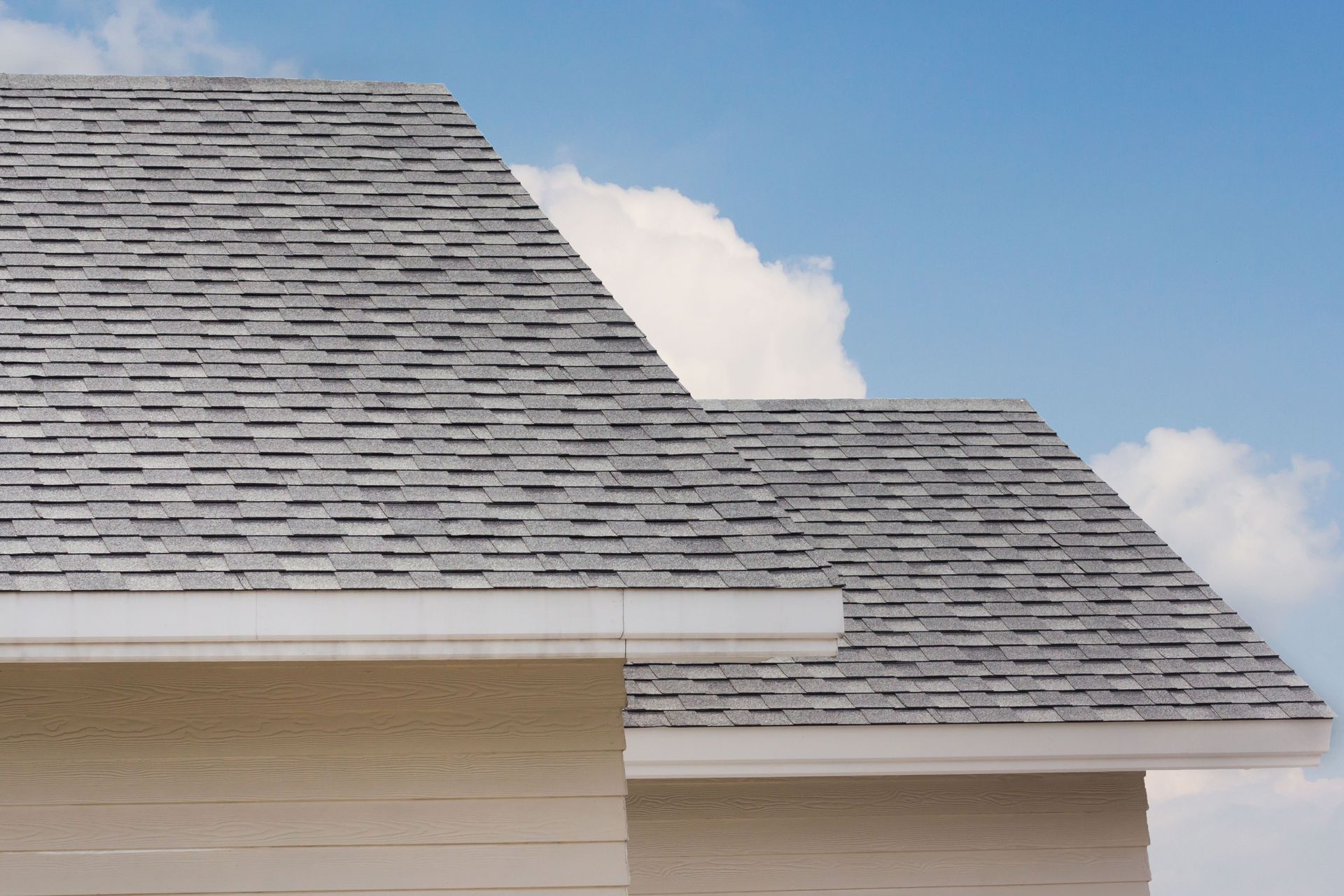
The outermost layer of a pitched roof typically consists of overlapping asphalt shingles designed to shed water efficiently and protect underlying wooden components. Over time, exposure to severe weather, strong winds, and shifting atmospheric conditions can cause individual shingles to lift, curl, crack, or tear away completely. When shingles become compromised, the protective underlayment underneath is exposed to direct sunlight and standing rainwater, accelerating deterioration across the surrounding surface area.
Inspecting the surface for physical shingle damage is a vital step before mounting solar panels on your home. If shingles are already brittle, cracked, or missing, mounting hardware directly over those compromised areas creates potential channels for moisture penetration. Furthermore, working around heavy hardware during future shingle replacement requires specialized labor to temporarily remove equipment, fix the underlying issue, and reinstall everything properly.
Addressing damaged shingles beforehand guarantees a uniform, weather-resistant foundation across the whole slope. Replacing worn materials across the entire surface ensures that the protective barrier beneath your new energy system remains continuous and resilient. Prompt attention to shingle integrity protects internal framing while creating a smooth, flat surface suitable for securing mounting brackets safely.
2. Sagging Roof Decking
Roof decking forms the structural backbone of your upper home structure, supporting the weight of rafters, underlayment, shingles, and environmental loads like heavy snow or persistent rainfall. A healthy roofline presents crisp, straight geometric lines along the ridge and slope. If you observe visible dips, bowing, or curved sections across the expanse of the roof, the underlying decking or support rafters may be structurally compromised.
Sagging typically results from prolonged exposure to trapped moisture, inadequate attic ventilation, or structural fatigue within the wooden framework. Adding the continuous structural weight of modern solar panels over time onto a deck that is already sagging can exacerbate structural strain significantly. The additional weight distribution across weakened joists risks further displacement, potential ceiling cracks indoors, and altered drainage patterns on the surface.
A thorough evaluation of the attic space and structural framing can determine whether decking needs reinforcement or complete replacement. Correcting structural sags prior to system placement prevents long-term sagging issues and ensures the underlying architecture comfortably accommodates all added weight. Restoring structural alignment guarantees that environmental loads are distributed safely across the entire building framework without risking structural collapse.
3. Moisture Stains and Internal Leaks
Water intrusion is one of the most destructive forces a residential building can face over its operational lifespan. Discoloration on indoor ceilings, dark streaks along attic rafters, damp insulation, or peeling paint near the upper wall joints indicate active moisture leaks. Even minor water intrusion can gradually weaken structural wood, foster mold growth, and compromise internal wallboard over extended periods.
Resolving any moisture leakage issues before covering large sections of the roof surface is critical for home protection. Installing equipment over active leaks conceals the source of entry, making detection and diagnostic efforts far more difficult once hardware is secured in place. Water can travel along internal rafters far away from the actual point of entry, creating misleading leak patterns inside the home.
A comprehensive assessment must identify and seal all sources of water ingress across the underlying layer before putting solar panels in place. Repairing damaged underlayment, replacing rotted wooden decking, and sealing gap-prone areas establishes an airtight, watertight barrier. Starting with a completely dry interior framework ensures long-term structural health and eliminates hidden water damage risks throughout the building envelope.
4. Cracked Flashing Around Penetrations
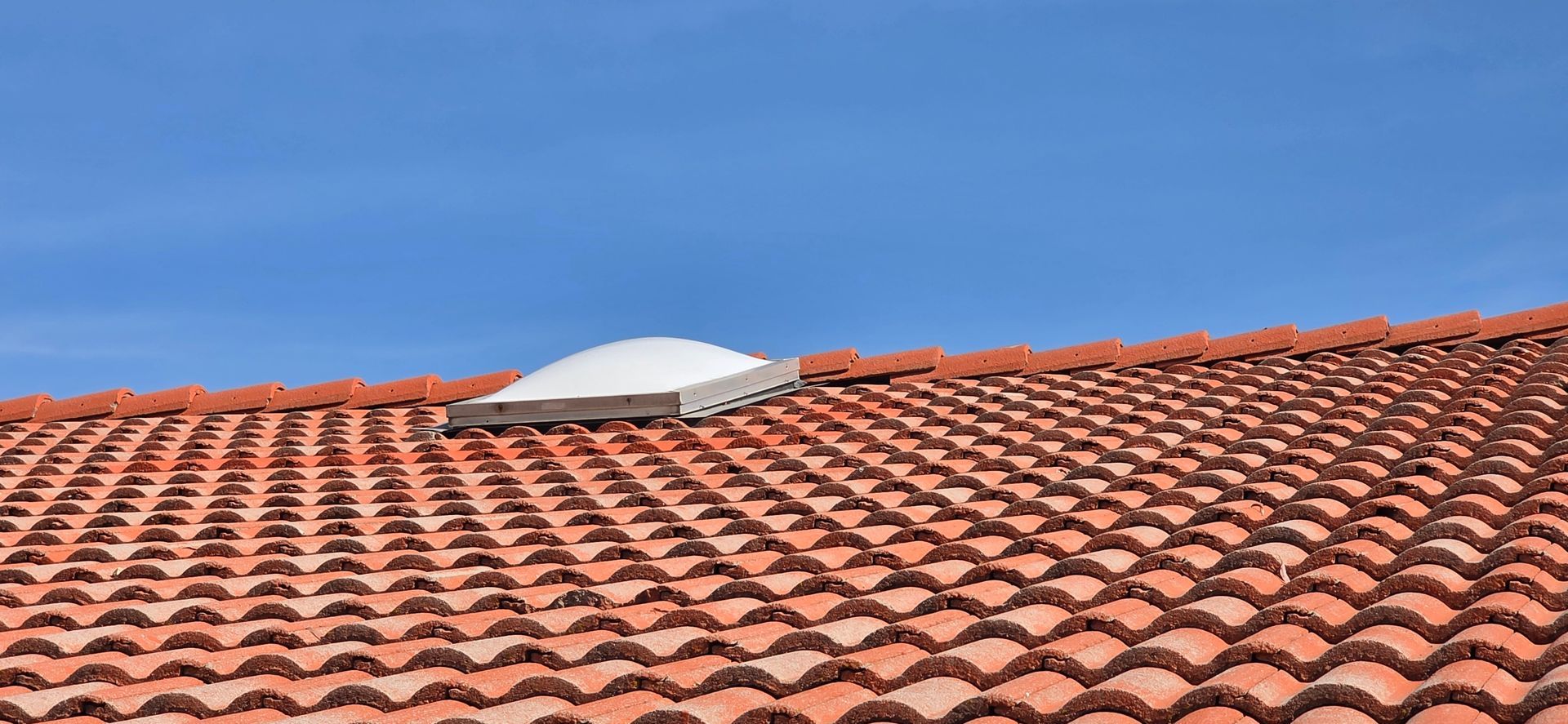
Flashing consists of thin metal strips installed around roof joints, chimneys, skylights, vent pipes, and dormers to divert water away from seams. Because these intersection points are naturally vulnerable to water accumulation, high-quality flashing is essential for maintaining an effective seal. Over time, thermal expansion, contraction, and continuous atmospheric exposure can cause flashing metal to corrode, warp, or pull away from surrounding surfaces.
According to This Old House, it typically takes nine to 12 years for energy savings from solar panels to pay back the system. Because this timeframe represents a long-term operational period, the surrounding roof components—including all penetration flashing—must remain durable throughout that entire duration. Installing new exterior systems above aging or cracked flashing leaves critical roof seams exposed to premature degradation and unexpected water leakage.
Replacing compromised flashing around existing vents and chimneys guarantees that water flows smoothly off the roof without seeping beneath the outer layer. Updating sealant compounds and installing fresh metal flashing during pre-installation maintenance prevents slow leaks from developing underneath fixed equipment. Maintaining impermeable seals around all roof penetrations safeguards the entire upper building envelope against weather-related wear for years.
5. Granule Loss in Gutter Systems
Asphalt shingles feature a protective outer coating composed of mineral granules that shield the asphalt layer from ultraviolet radiation, impact, and weathering. As shingles age, these granules gradually detach and wash down the roof slope during rainfall. Accumulations of coarse, sand-like sediment in your gutter troughs or near downspout discharge areas indicate significant granule loss across the roof surface.
Excessive granule shedding signals that the outer layer of asphalt is nearing the end of its functional life cycle. Without granule protection, exposure to direct sunlight causes asphalt to dry out, crack, and lose flexibility rapidly. Inspecting and restoring the underlying surface before placing solar panels across the roof prevents premature surface breakdown under installed array frames and mounting structures.
Addressing advanced granule loss before mounting new hardware avoids the necessity of undertaking major roof replacement projects shortly after an installation. Renewing worn shingle surfaces or performing complete roof restoration beforehand ensures that the outer barrier withstands environmental elements for decades. Keeping gutters clean and assessing granule shedding provides valuable insight into overall roof health and longevity.
Preparing your roof through detailed inspections and timely repairs is the most reliable strategy for protecting your home before undertaking a major energy upgrade. Resolving shingle wear, structural sagging, moisture leaks, flashing gaps, and granule depletion creates a solid foundation for long-term operational success. Addressing these vital maintenance items beforehand ensures a smooth path toward operating solar panels for years to come.
Taking proactive steps today safeguards your property structure and guarantees seamless integration with new equipment. If you are ready for a comprehensive roof evaluation before upgrading your property, contact us at Raneri & Long Roofing and Solar today. We will help you ensure your home is fully prepared for continuous, long-term clean energy generation.