November 4, 2026
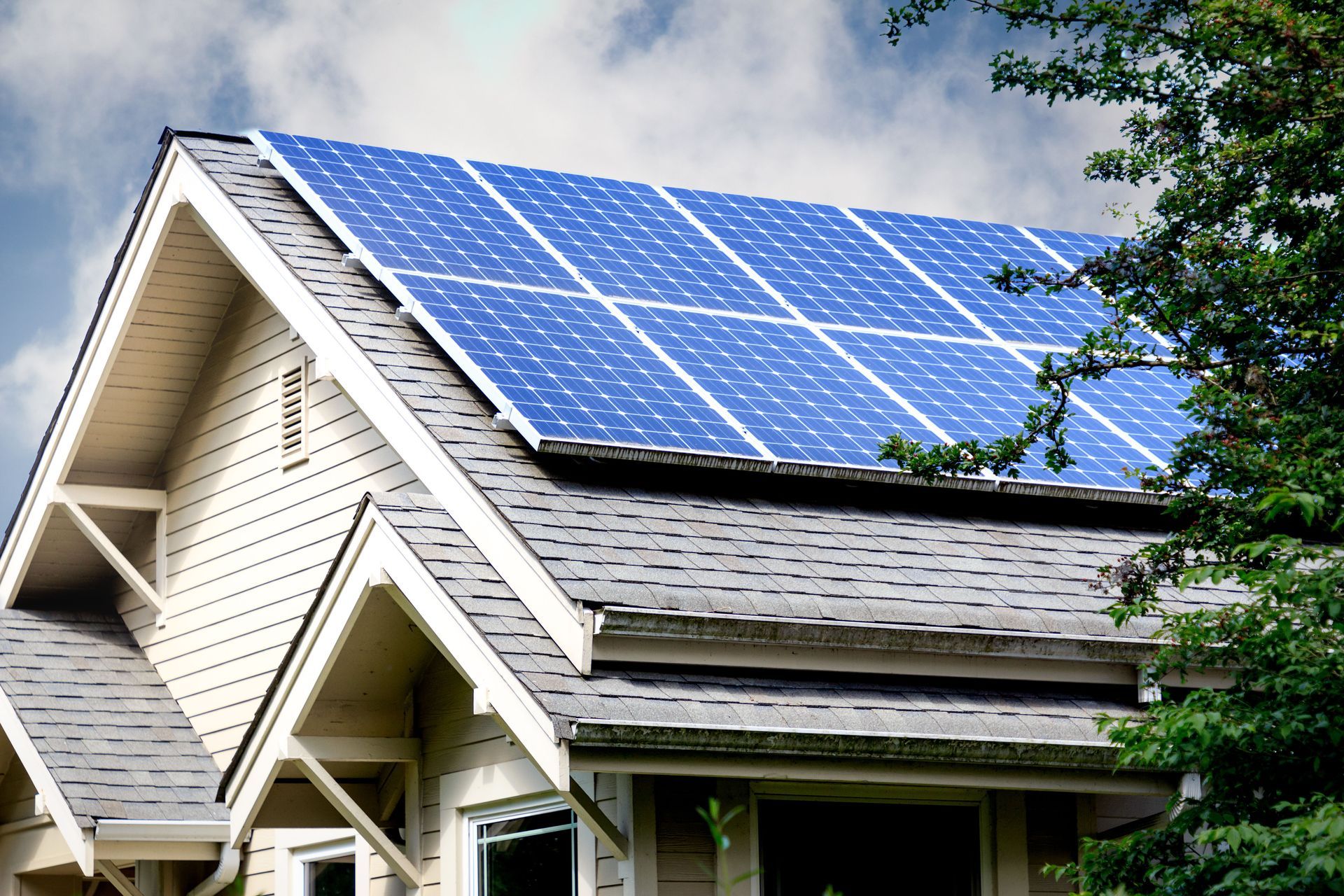
Installing a modern energy system is one of the most effective ways to lower operational costs and improve long-term energy independence. However, mounting hardware directly onto your roof deck creates unique structural and environmental considerations for your building envelope. Understanding how solar panels interact with your existing roofing materials ensures your property remains protected and leak-free for decades.
Evaluating Roof Structural Readiness Before Mounting
Before adding any secondary weight to your building, assessing the structural capacity of your roof deck is an essential first step. Solar panels add a consistent load across the entire surface area of your roof, which means aging or weakened framing must be identified and reinforced early. According to WifiTalents, 4.5% U.S. housing units are aged 50+ years, a key driver of roof replacement frequency because roof lifespans often fall in this band. Property owners should always schedule a professional roof home assessment to confirm that rafters, trusses, and sheathing are physically capable of supporting new equipment alongside severe weather loads.
Evaluating structural integrity is particularly critical for mature properties where decades of hidden settling, humidity exposure, or past thermal stress may have subtly compromised structural timbers. A thorough inspection detects sagging rafters, decayed plywood decking, or compromised load-bearing points before heavy racking assemblies and photothermal modules are anchored overhead. Identifying necessary roof decking repair or structural framing reinforcement during the planning phase prevents costly mid-project halts and avoids dangerous structural overloading during heavy snowfall, high winds, or severe storms. Ultimately, completing these structural upgrades upfront guarantees a safe, durable foundation that supports long-term renewable energy production without putting your home's structural safety at risk.
Protecting System Penetrations Against Water Intrusion
Securing mounting racks to a sloping or flat roof surface requires specialized hardware penetrations into the underlying support structures. Professional technicians install custom flashing assemblies around every attachment point to redirect rainwater away from sensitive fastings. Utilizing high-grade chimney flashing repair methods and specialized sealing compounds prevents slow, hidden leaks from saturating attic insulation layers. When installing solar panels on your structure, verified waterproofing techniques guarantee that weather barriers remain fully intact across every square foot of roof surface.
In addition to custom flashing, high-performance elastomeric sealants and heavy-duty rubber grommets wrap around each lag bolt penetration to create a tight, durable seal against wind-driven rain and snowmelt. These multi-layer waterproofing protocols prevent small gaps from expanding during extreme thermal contraction cycles, protecting structural rafters from insidious rot. Expert installers carefully verify sealant compatibility with your specific roofing membrane, ensuring long-term adhesion that withstands severe weather exposure over decades. Prioritizing rigorous waterproofing at every roof penetration safeguards your building envelope against moisture damage, giving property owners total peace of mind throughout the system's operational lifespan.
Managing Thermal Distribution Across Diverse Roofing Materials
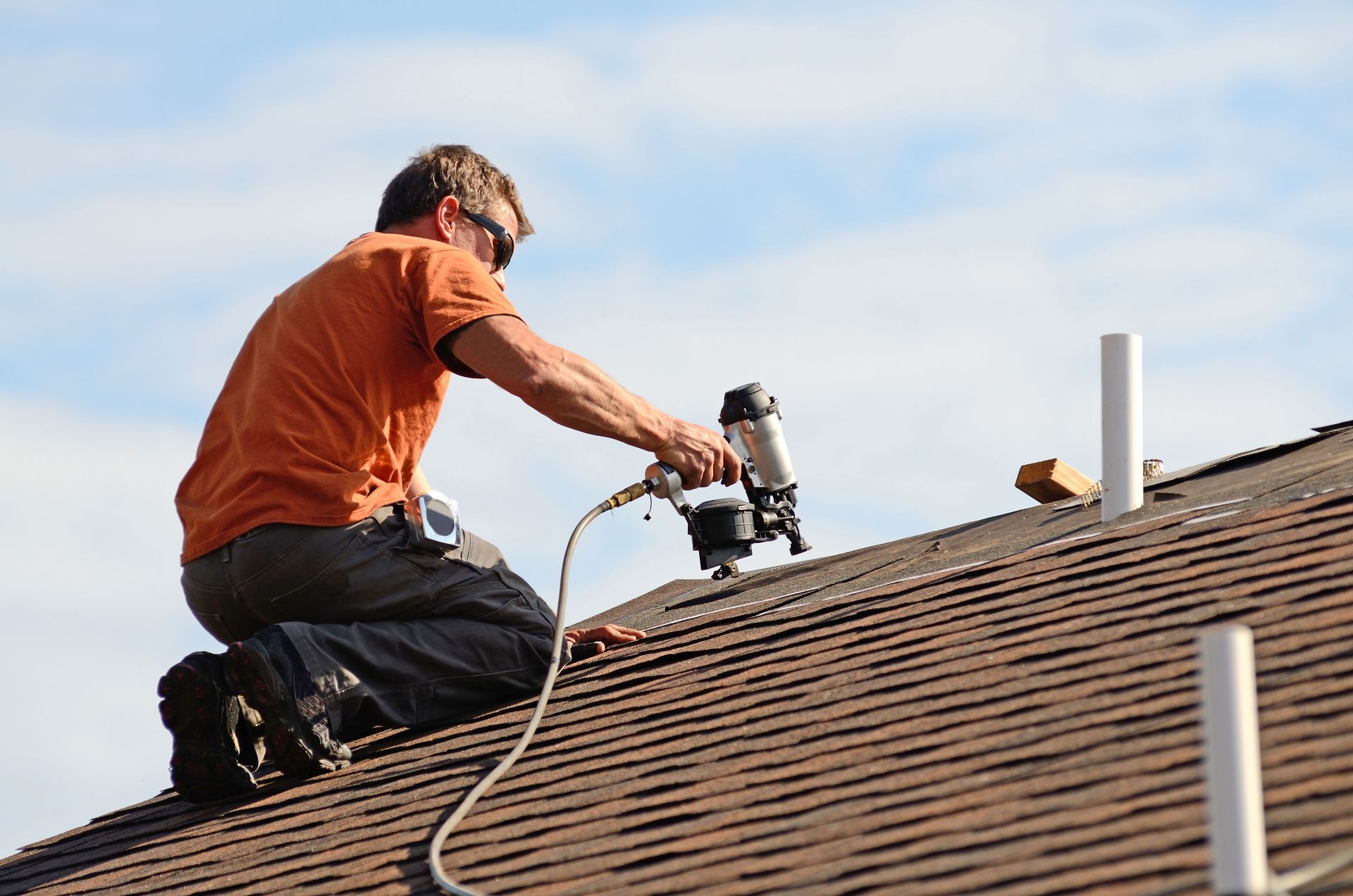
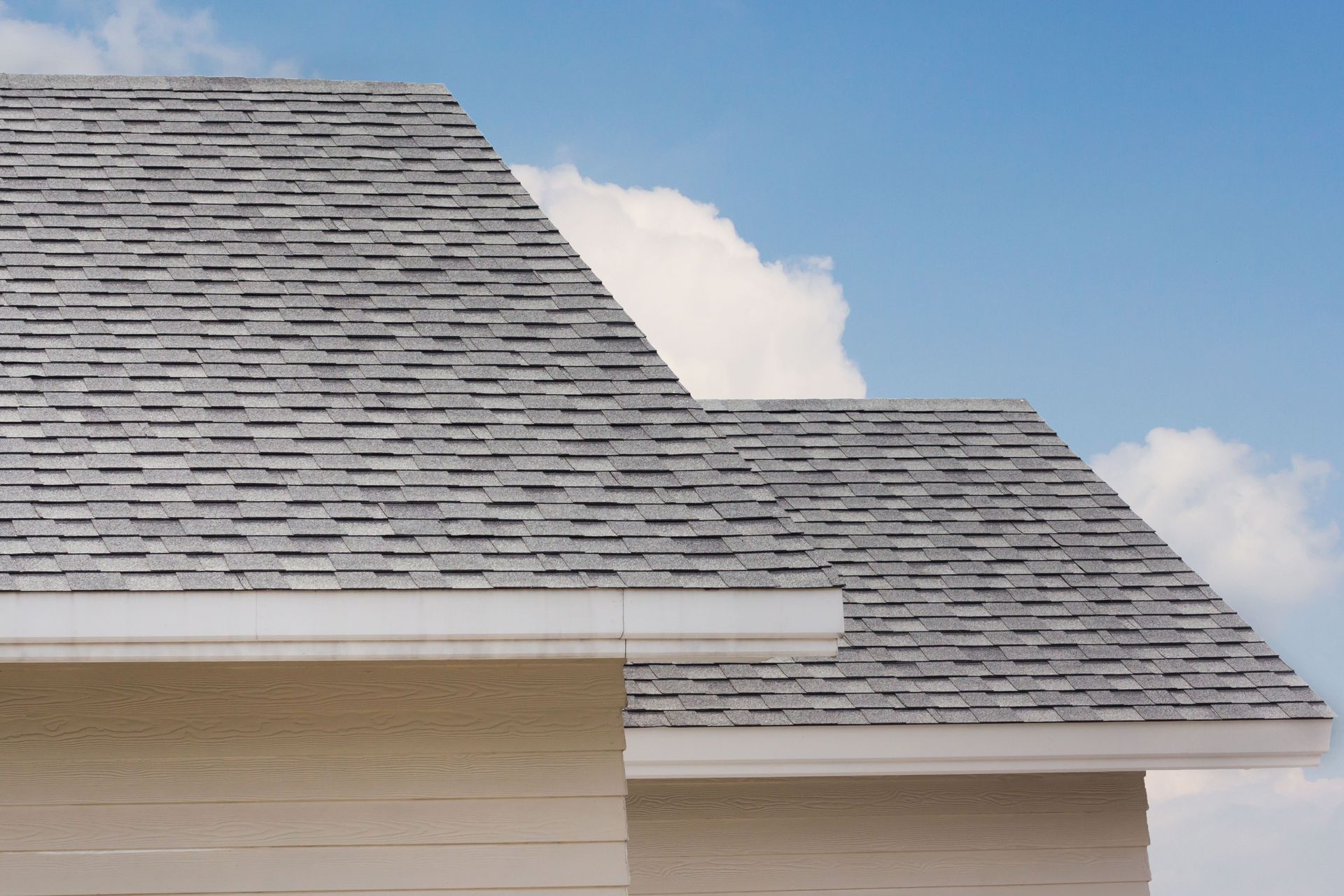
Different roofing assemblies interact with solar equipment in distinct ways depending on their base material composition. Performing an asphalt shingle installation alongside photovoltaic arrays creates an added layer of protection, as mounting racks shade asphalt granules from harsh ultraviolet rays. Conversely, a clay tile installation requires careful handling, as installers must lift or notch individual tiles to attach mounting brackets securely without cracking fragile surface pieces. On low-slope commercial properties, TPO roof installation systems allow arrays to be anchored cleanly while preserving heat-reflective white membrane surfaces.
Customizing installation techniques to match specific roofing materials preserves structural durability and protects existing manufacturer warranties. Asphalt shingles require specialized, watertight flashings around each rack penetration to prevent water migration during heavy downpours. Clay and concrete tiles often require tile replacement, specialty roof hooks, or sub-flashing systems to distribute equipment weight evenly without putting pressure on brittle underlying substrates. For flat TPO membrane roofs, heat-welded boots around mounting posts preserve the continuous waterproof seal and protect energy efficiency. Adapting mounting strategies to your roof's material ensures seamless energy integration while extending the overall service life of your property's primary weather barrier.
Maintaining Equipment and Roof Systems Jointly
Long-term property protection requires consistent maintenance for both your energy production equipment and the roof structure beneath it. Debris like fallen leaves or twigs can collect under tilted solar panels, holding moisture against your shingles or tiles if not cleared regularly. Combining routine solar panel maintenance with standard roof maintenance services prevents gutter blockages and guards against localized material decay. Scheduling periodic solar monitoring service checks helps property owners identify physical obstructions, surface dirt, or wiring issues before performance levels drop.
When organic debris accumulates beneath photovoltaic arrays, it creates damp microclimates that accelerate shingle granule loss and cause tile underlayment to deteriorate prematurely. Trapped leaf litter also impedes natural roof runoff, forcing water sideways beneath flashing seams during violent rainstorms.
Integrating scheduled panel washings with professional gutter cleaning keeps drainage channels completely unobstructed while clearing bird nesting materials that present thermal hotspots and fire hazards. Proactive inspection of wiring conduits and roof attachment points catches subtle physical wear, seal erosion, or animal damage early, preserving peak energy output and preventing small, unnoticed maintenance issues from becoming costly structural repairs.
Coordinating Solar Battery and Electrical System Upgrades
Upgrading your property's power setup involves more than simply mounting hardware on your shingles. Integrating a residential solar panel installation or commercial solar panel installation requires clean conduit routing, rapid-shutdown safety mechanisms, and inverter installation and replacement services. Adding modern solar battery storage systems gives property owners reliable backup power while reducing reliance on regional electrical grids. Proper electrical layout planning ensures all exterior wiring penetrations remain fully waterproofed and securely anchored away from high-volume drainage valleys.
Careful placement of heavy electrical gear, including wall-mounted battery units and modern power inverters, requires assessing wall framing support and surrounding environmental exposure. Running exterior wiring through weather-tight electrical conduits prevents moisture from seeping into exterior walls, shielding delicate electrical connections from corrosion and moisture damage over time. Furthermore, positioning disconnect switches and main junction boxes in easily accessible areas simplifies ongoing monitoring and speeds up routine maintenance procedures. Designing a organized, well-protected electrical framework ensures your solar panels deliver consistent, efficient performance while keeping your building completely safe and compliant with current local electrical codes.
Addressing Emergency Repairs and Solar System Removal
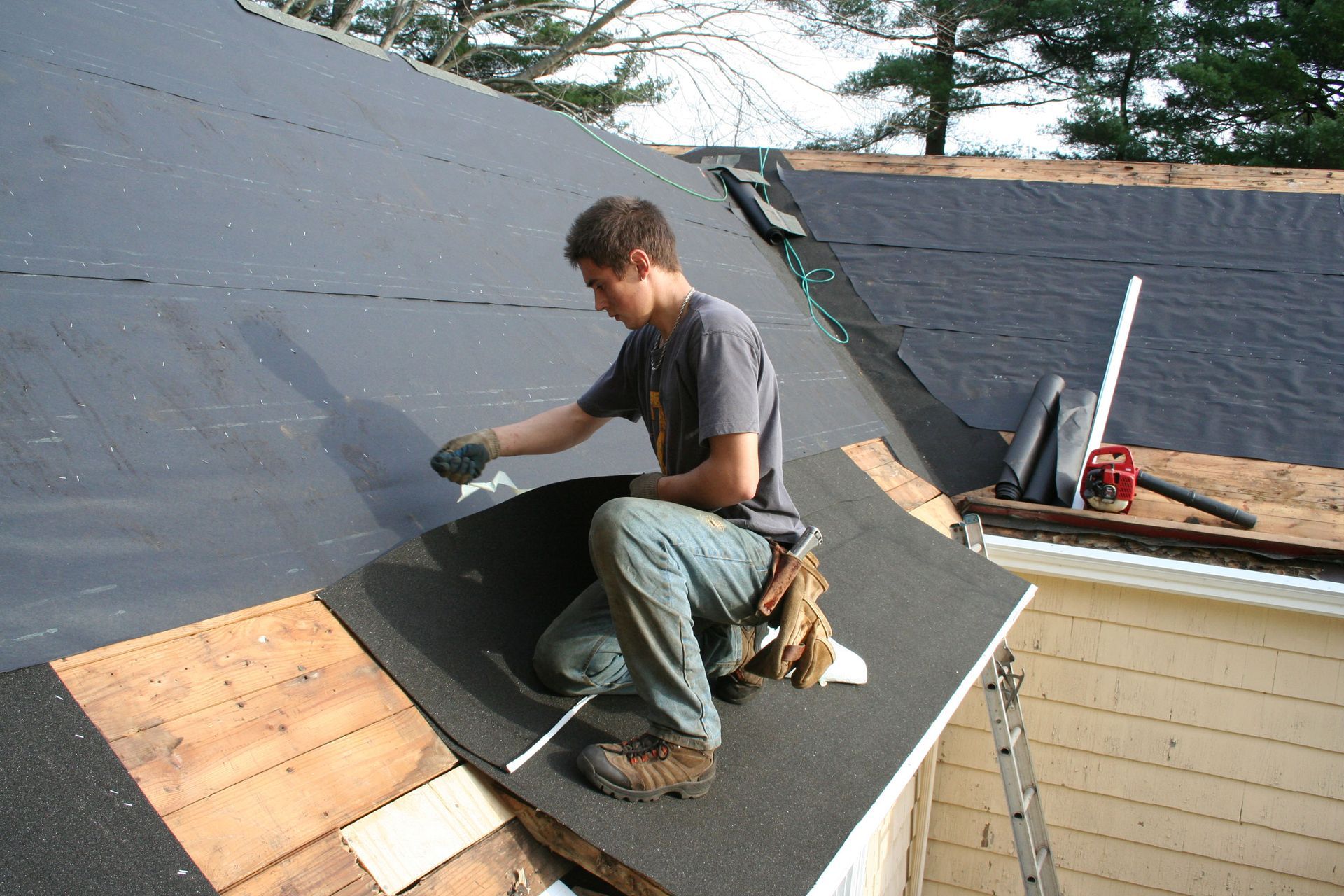
Unexpected storm damage or severe weather events can sometimes require major repairs to the roof beneath an active energy system. Performing comprehensive storm damage repair or full roof replacement requires temporarily removing mounted arrays to access damaged underlayment. Partnering with a company experienced in both solar panel repairs and specialty roof repairs eliminates the hassle of coordinating separate sub-contractors. Qualified technicians can safely detach the equipment, complete necessary roof decking repair or valley repair, and reinstall your energy setup to full operational capacity.
Coordinating both handling solar panels and structural roof repairs under a single experienced contractor prevents delicate photovoltaic equipment from being damaged during tear-offs. Having one continuous project management team ensures that roof waterproofing warranties, leak-penetration guarantees, and solar performance standards remain fully protected throughout the entire restoration process. Furthermore, unified teams conduct comprehensive post-repair testing to verify that wiring connections, inverter installation setups, and monitoring systems operate at peak efficiency before closing out the job. Choosing an all-in-one specialist streamlines emergency response times, simplifies insurance claim documentation, and restores complete property protection without unnecessary project delays.
Investing in renewable energy should always strengthen your property value without risking the structural integrity of your building. Contact Raneri & Long Roofing and Solar today to request a free estimate and discover how our integrated roofing, solar panel installation, and waterproofing services keep your property protected for the long haul.